


Nossas soluções
Desenvolvemos soluções com foco nos desafios propostos por nossos clientes. Clique para saber mais

Potencial de mercado e Geomarketing
Estudos de geolocalização e áreas de influência

Entendimento do perfil do consumidor
Segmentação de consumidores
Entendimento de atitudes, valores estilo de vida

Branding e identidade de marca
Análise da identidade da marca (logotipo e slogan)
Tracking de marca

Análise de Comunicação
Pré e Pós teste de campanha
Tracking de comunicação

Avaliação de produtos e serviços
Avaliação do mix de marketing

Grau de notoriedade, reputação e recomendação
Avaliação de carreira, satisfação, e grau de engajamento com a proposta da empresa

Análise de Big Data e Desk Research

Mystery shopper e Auditoria
Observação e registro de informações por auditor identificado
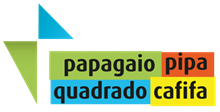
Retrato do público infanto-juvenil
Pesquisa quantitativa de âmbito nacional com pais, crianças e adolescentes de 0 a 17 anos de todas as classes sociais
Nossas metodologias
Desenvolvemos técnicas de pesquisa quantitativa e qualitativa de acordo com as especificidades de cada estudo

Entrevista Individual
Entrevista Individual
Entrevista presencial, online ou por telefone

Focus group
Focus Group (Discussão em grupo)
Grupos de discussão presenciais ou online

Observação Etnográfica
Observação Etnográfica
Observação da rotina de consumidores em seu ambiente natural

Compra Acompanhada
Compra Acompanhada
Acompanhamento de consumidores durante a compra de produtos e serviços

E-Interactive
E-Interactive
Interação online com consumidores durante um período pré-determinado

Mystery Shopper e Auditoria
Cliente Oculto (Mystery Shopper) e Auditoria
Simulação para avaliação oculta de um produto ou serviço
Observação e registro de informações por auditor identificado

Desk Research
Desk Research
Levantamento de informações disponíveis em diversas fontes primárias, secundárias e Big Data

Curadoria com Especialistas
Curadoria com Especialistas
Levantamento de informações técnicas sobre o tema estudado a partir de especialistas

Workshop Criativo
Workshop Criativo
Construção e desenvolvimento de insights por meio da interação com consumidores e/ou colaboradores

Geomarketing
Geomarketing
Estudos de geolocalização, análises sociodemográficas e áreas de influência

Big Data
Big Data
Análise de conteúdos em redes sociais, blogs, fóruns e buscas em sites sobre o assunto ou target de interesse
Nossa História
Ao longo de nossa trajetória, acumulamos experiência em uma multiplicidade de categorias e escopos de pesquisa, o que permite um profundo conhecimento de atitudes, comportamentos e opiniões de clientes B2B e B2C.
Realizamos projetos em todo território nacional e na América Latina, para clientes nacionais e internacionais.

Projetos realizados

Clientes atendidos

Publicações em congressos

Municípios com equipe de auditores locais
Clientes
Clientes atendidos nos últimos anos



















Nossos parceiros






Nossa Equipe
Time MultiFocus
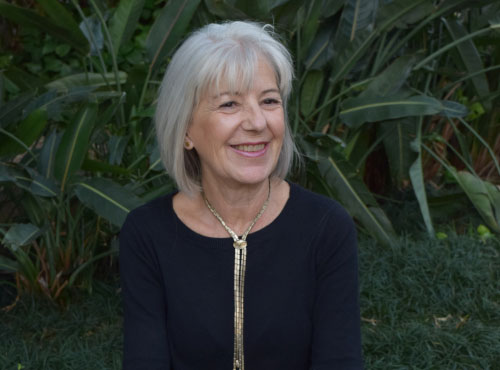
Formada em Administração pela FGV-SP
Mestre em Administração pela FEA-USP
Diretora associada da ONG Midiativa - Mídia de Qualidade para Crianças e Adolescentes
Ana Helena Meirelles Reis
Presidente da MultiFocus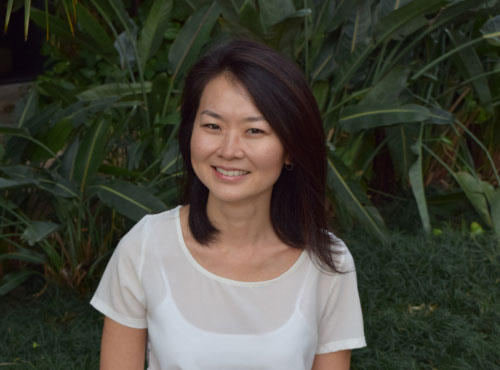
Formada em Administração pela FGV-SP
Trabalha na MultiFocus desde 2006
Lye Matsuda
Projetos Qualitativos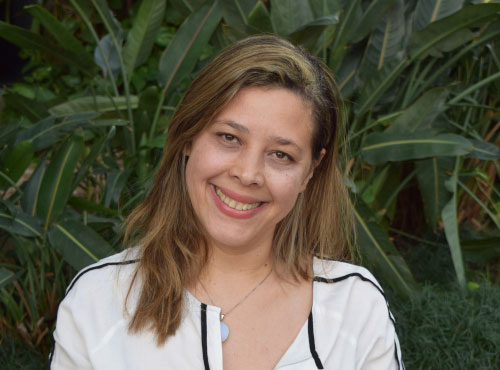
Formada em Ciências Sociais pela USP
Trabalha na MultiFocus desde 2008
Shirley Móro
Projetos Quantitativos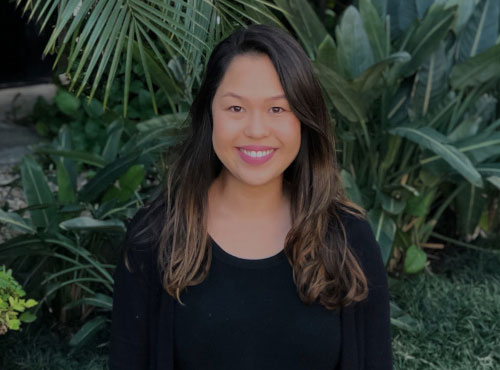
Formada em Marketing pela USP
Trabalha na MultiFocus desde 2013
Fernanda Yonehara
Projetos Qualitativos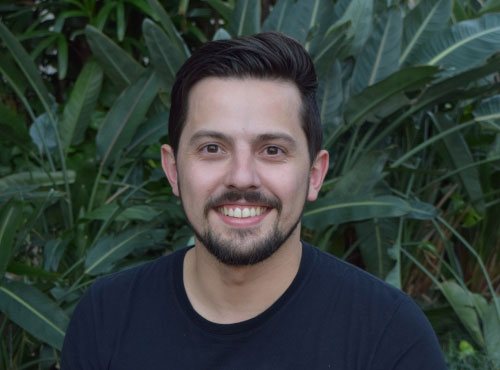
Formado em Publicidade e Propaganda pela Uninove
Trabalha na MultiFocus desde 2007